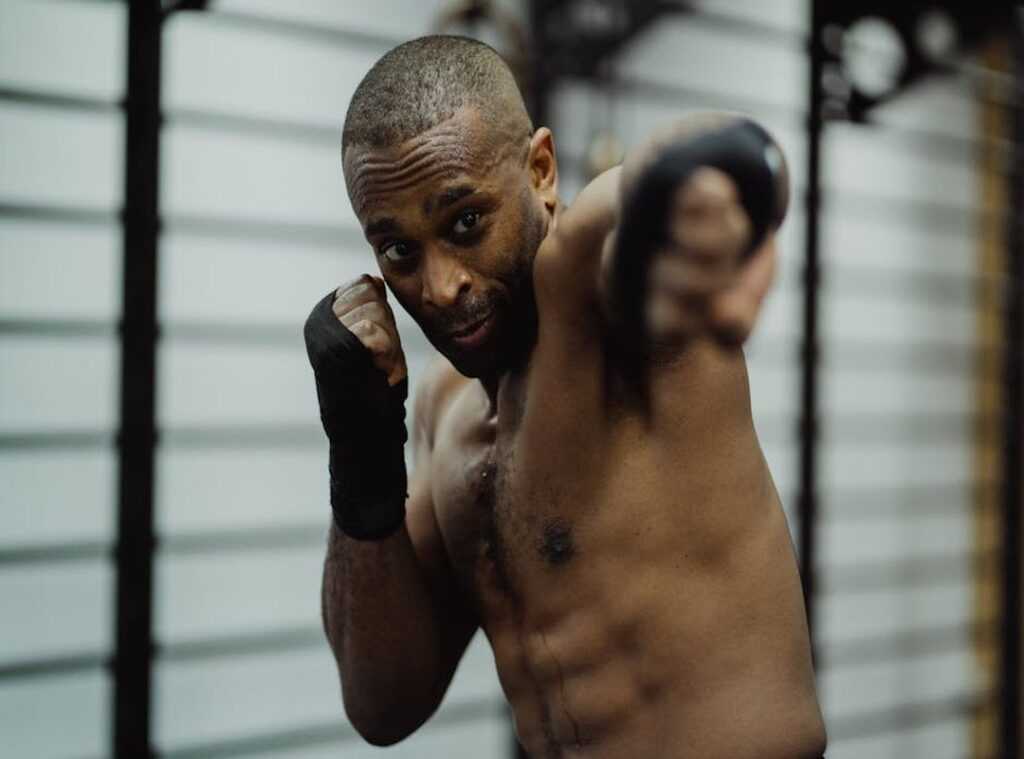
Zumoto Chieloka drops people. Not sometimes. Not with luck.
You’ve seen it. That one punch. The crowd gasps.
The opponent doesn’t get up right away.
That’s Zumoto Chieloka’s Punching Power.
I’ve watched fighters train for twenty years. I’ve stood in gyms where coaches yell and bodies break down and rebuild. I’ve seen what actually moves the needle (and) what’s just noise.
This isn’t about mystique. It’s not genetics magic or some secret ritual.
It’s physics. It’s timing. It’s how he loads his hips, rotates his spine, and releases force through a fist.
You’re wondering: Can I use any of this? Yes. Even if you’re not a pro. Even if you’re just trying to hit harder in sparring or feel stronger in your own training.
We’ll break it down. No jargon. No fluff.
Just what works (pulled) from real observation and basic biomechanics.
You don’t need a PhD to understand force transfer. You just need clear examples. And that’s what you’ll get.
By the end, you’ll know exactly why his punches land like freight trains.
And you’ll know how to borrow pieces of that for yourself.
Strength Isn’t Just Arms
Raw strength is where it starts. Not wrist flicks. Not shoulder shrugs.
Real force.
I’ve watched Zumoto throw punches that buckle knees. You think that’s just arm work? Wrong.
Your legs drive the punch. Your core locks it in. Your back connects it all.
Skip any of those, and you’re swinging air.
Zumoto squats heavy. Deadlifts heavy. Jumps until his calves burn.
He doesn’t just lift (he) explodes.
Plyometrics teach his body to snap back fast.
Resistance bands, sled pushes, weighted carries (they) build tension you can release, not just hold.
Strong muscles aren’t bricks. They’re springs. Squeeze them.
Load them. Let them fire.
That’s how a punch goes from fast to felt.
You ever hit someone and feel your whole body vibrate? That’s not luck. That’s training.
Zumoto Chieloka’s Punching Power comes from ground up. Not just shoulders, but soles.
Learn more about how he builds it.
Most fighters train arms first.
Zumoto trains ground reaction force first.
His back isn’t just strong (it’s) taut.
His core isn’t just tight (it’s) unbendable.
You don’t punch with your fist.
You punch with your feet.
Try punching off one leg right now. Feels weaker, right? That’s the point.
The Snap in the Punch
Speed isn’t just fast movement.
It’s how fast strength turns into impact.
I used to think punching power came from muscle size alone. Wrong. Zumoto Chieloka’s Punching Power lives in the snap.
That split-second burst at the end of the punch.
Think of a whip. No one calls the handle solid. It’s the tip cracking open the air.
That crack is rate of force development. How fast your muscles go from zero to max tension. Not how much they can lift (how) fast they hit.
Zumoto trains this like it’s separate from strength. Shadow boxing with light dumbbells. Resistance bands pulling back mid-punch.
Drills where he stops just before contact (then) fires again, faster.
You feel it when it lands. Not a thud. A pop.
That pop stuns more than weight ever could. Why? Because the body can’t brace for something that arrives before the brain says “here it comes.”
You’ve seen it happen. Opponent flinches before the glove touches them. That’s not fear.
That’s physics.
Slow strength gets blocked. Fast strength gets felt (then) remembered. Train speed like it’s its own skill.
Because it is.
Power Isn’t Just Muscle
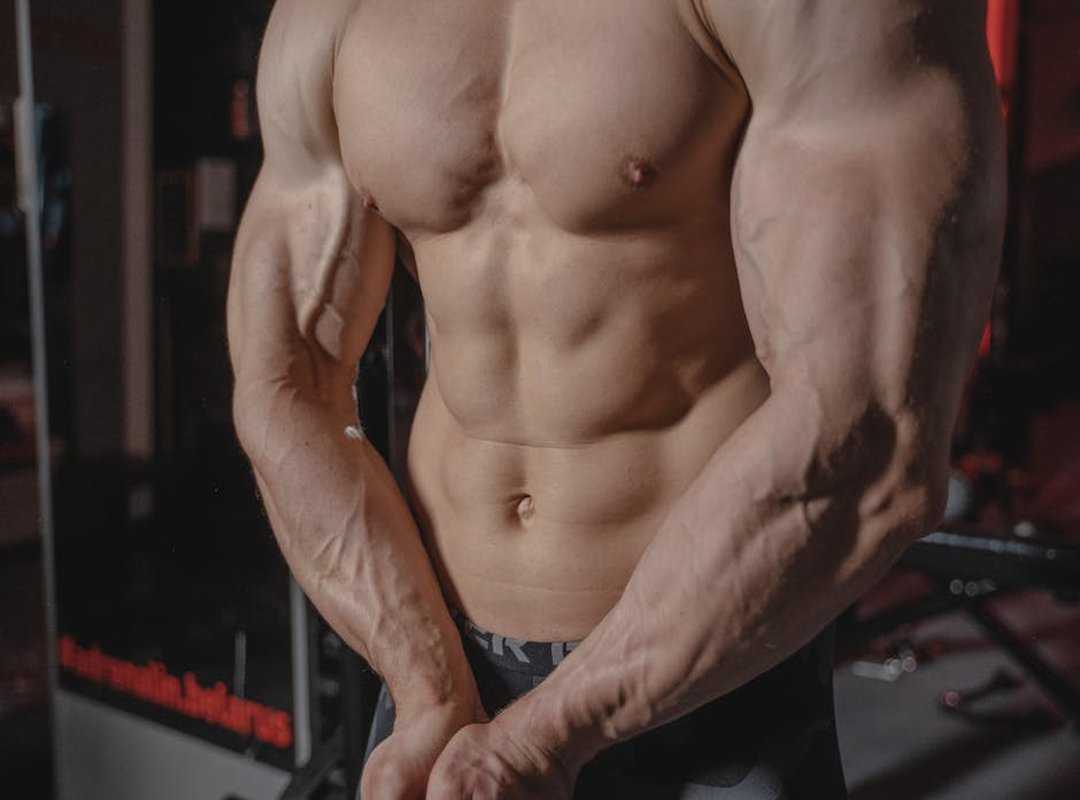
I’ve seen fighters with thick arms throw weak punches.
It’s embarrassing.
Strength and speed mean nothing if your technique leaks power like a busted hose.
Zumoto Chieloka’s Punching Power comes from how he moves. Not just how hard he hits.
He starts the punch in his feet. Not the fists. The feet.
Then it rolls up: ankles → knees → hips → core → shoulders → fist.
That’s the kinetic chain. It’s not magic. It’s physics.
You load one part, then snap the next into it. Like cracking a whip.
His stance stays grounded. No floating. No hopping.
If your feet lift, you’re punching air.
Hip rotation adds real force. Try it: stand still and jab. Now pivot your back foot and twist your hips as you throw the same jab.
Feel the difference? That’s not imagination. That’s weight transfer working.
Follow-through matters. Not for show. To stop your elbow from snapping backward.
To keep your shoulder from tearing.
Watch how he moves against Zumoto Chieloka’s Opponent. Slow it down. Look at his left foot on the third round.
See how it plants before the right hook lands?
That’s where power lives. Not in the arm. In the timing.
You think about your hands.
You should be thinking about your heels.
Your Brain Is Part of the Punch
You ever throw a punch and feel like half your body isn’t listening?
I have. And it’s not your muscles failing you.
It’s your brain skipping the memo.
The mind-muscle connection isn’t woo-woo. It’s real. When you focus on which muscle is firing (say,) the triceps snapping the elbow straight (you) get more force from that same muscle.
Not more reps. Not heavier weights. Just sharper intent.
Zumoto Chieloka’s Punching Power doesn’t come from bigger arms. It comes from him knowing where the power starts. And stopping his thoughts from getting in the way.
He doesn’t just swing. He decides before the fist leaves his hip.
That pause? That’s where mental fortitude lives.
Confidence isn’t just feeling good. It’s your nervous system trusting itself enough to fire at full capacity.
Doubt holds back output. Belief unlocks it.
You think visualization is for Olympians?
Try it before your next shadowboxing round. See the punch land. Feel the recoil.
Do it ten times. Then throw it.
It won’t feel fake after a week.
It’ll feel automatic.
That’s when training stops being physical (and) becomes reflex.
Want to see how he applies this under pressure?
Check the Fight Schedule of Zumoto Chieloka.
Your Power Starts Now
Zumoto Chieloka’s Punching Power isn’t magic. It’s strength. Speed.
Technique. Focus. All working at once.
I’ve tried copying just one piece. It doesn’t work. You need the whole thing.
Not to punch like him, but to move better, hit harder, feel more in control.
Train your whole body. Not just arms. Not just legs.
Explosiveness matters more than slow grinding. Form isn’t boring (it’s) how you stay safe and get stronger. And that voice in your head?
It’s louder than you think. Believe before you feel ready.
You’re tired of spinning your wheels. Tired of lifting more but moving slower. Tired of watching others explode while you stall.
This isn’t about becoming a fighter. It’s about owning your movement. Your force.
Your confidence.
So stop waiting for motivation.
Stop blaming your gear or your gym or your genetics.
Pick one thing from this list today. Do it with full attention. Then do it again tomorrow.
Start incorporating these elements into your routine and feel the difference.