Deep Roots in Japanese Tradition
Sumo didn’t start as a sport it began as a ritual. Its earliest form appeared in ancient Shinto practices, where bouts were held as offerings to the gods. These matches weren’t about winning or fame. They were about petitioning the divine for a good harvest, balance, and protection. Long before the ring lights and stadiums, sumo was a slow, deliberate conversation with the spiritual world.
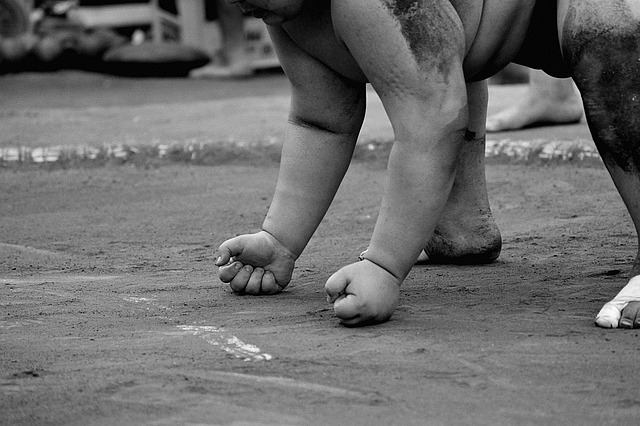
Today, that sense of sacredness lives on. Before each match, rituals unfold like clockwork. Salt is tossed into the ring to purify it. Rikishi (wrestlers) stomp the ground to chase away evil spirits. The entire dohyo (ring) is treated as hallowed ground literally built from clay, blessed by priests, and covered with a symbolic roof modeled after a Shinto shrine.
Sumo isn’t only for the arena, either. Seasonal festivals across Japan still feature ceremonial sumo exhibitions. These aren’t competitions, but celebrations ways for local communities to stay connected to both their history and the spiritual traditions that shaped it. Vivid, noisy, and reverent, these events highlight how sumo remains welded to Japan’s deeper rhythms, even as the world changes around it.
The Role of Rikishi (Sumo Wrestlers)
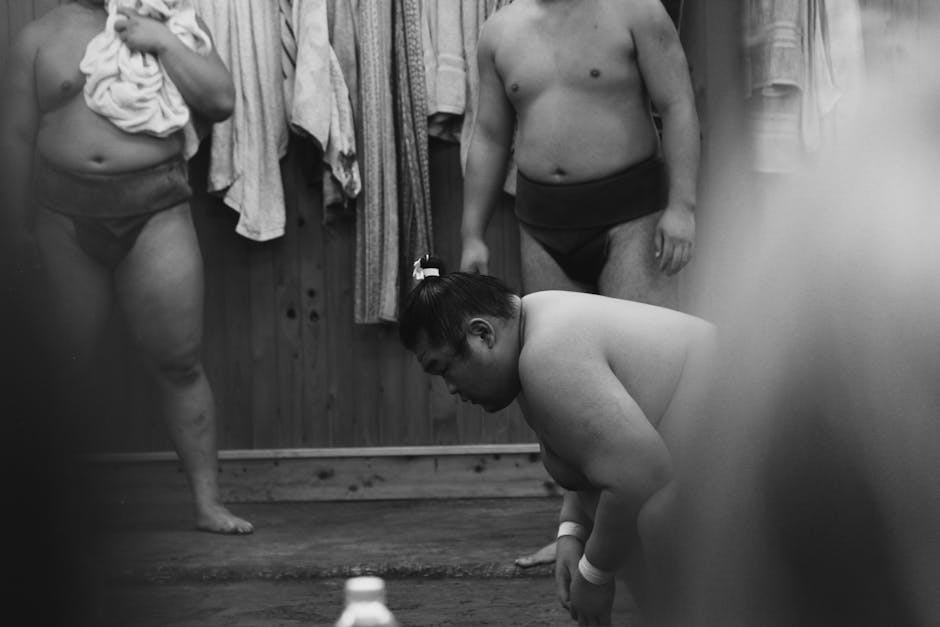
Becoming a sumo wrestler isn’t just a job it’s a way of life, and not an easy one. Rikishi live in heya, or sumo stables, where daily routines start before sunrise. Morning training begins around 5 a.m. and can last for hours. There’s no chatty warm up. It’s straight into drills, matches, leg lifts, and practice bouts. The atmosphere is strict, quiet, and focused. Hierarchy dictates everything junior wrestlers clean, cook, and serve their seniors before even thinking about their own meals or rest.
These stables aren’t just places to train; they’re closed ecosystems. Every action teaches humility and discipline. Meals, centered around protein heavy chanko nabe, are communal but structured by rank. So is bathing. So is speaking.
But this isn’t military style cruelty. The hardship instills resilience. You learn through repetition. You grow by enduring. The goal is not just to bulk up or win tournaments it’s to develop mental and physical toughness, and to internalize traditions that go back centuries.
Respect isn’t performative it’s woven into the routine. From bowing before practice to cleaning the stable grounds, every act reinforces place, purpose, and shared identity. For outsiders, it might seem rigid. For rikishi, it’s structure with meaning.
Sumo in Modern Japan
In a country wired with 5G and obsessed with convenience, sumo survives by staying stubbornly itself. The traditions haven’t been watered down to grab clicks but they have found a second life thanks to digital platforms. NHK’s national broadcast of major tournaments gives sumo a regular spot in Japanese mainstream media. At the same time, snippets of dramatic bouts and behind the scenes footage circulate on social media, helping younger generations discover the sport on their own terms.
Sumo isn’t just a sport it’s a mirror of Japanese identity. The rituals, the ranking system, the strict lifestyle it all speaks to values like endurance, humility, and respect. For many, watching sumo feels less like entertainment and more like checking in with something ancestral. Grandparents watch with their grandkids. Students follow the tournaments out of habit as much as interest. That continuity matters.
The government also understands sumo’s weight. Alongside NHK coverage, there’s public funding for national tournaments, youth leagues, and development programs across the country. From small city gyms to school clubs, sumo remains accessible. And while not every kid entering a dohyō becomes a yokozuna, they walk away carrying a piece of one of Japan’s oldest stories.
Global Perspective and Cultural Parallels
Sumo’s reach may start in Japan, but it doesn’t end there. International fascination with the sport has grown steadily over the past few decades, thanks in large part to foreign born rikishi who’ve climbed the ranks and shaken up the status quo. Wrestlers from Mongolia, Eastern Europe, and even Hawaii have become household names in Japan, but their presence hasn’t come without friction. Traditionalists worry that increased global visibility could dilute the sport’s ceremonial roots. Others see foreign rikishi as proof that sumo’s values discipline, respect, patience translate across cultures.
That same tension shows up in how international media handles sumo. On one hand, sumo is framed as an ancient curiosity: stoic clashes in loincloths. On the other, it’s spotlighted for its evolving strategies and eclectic personalities. The result is a divided image half timeless ritual, half exotic spectacle. The challenge is familiar to any deeply historic sport facing modern exposure.
Look at the marathon. What began as a grueling tribute to a Greek messenger has now become a worldwide event, tailored with city skylines, smartwatch training, and sponsors. It adapted. And so has sumo just not as loudly. Yet the parallels are real: both showcase endurance, tradition, and cultural pride. And both ask new generations to decide what to keep, what to change, and how far to stretch heritage in a global spotlight.
What Sumo Teaches Beyond the Ring
Sumo isn’t just about size or strength. It’s about grit. The sport demands total commitment from years of grueling training to an unwavering respect for every aspect of the discipline. Perseverance is built into the lifestyle. Rikishi live by routine, by ritual, and by repetition. There are no shortcuts. That’s part of the point.
Respect is baked into every gesture, every bow, and every match. It’s not for show it’s fundamental. Veneration of opponents, deference to elders, and care for tradition are not optional. Add to that a level of craftsmanship most athletes never touch. Every aspect from the ceremonial stomp to the way their topknots are styled speaks to discipline that borders on art.
Sumo lives in paradox: old but still electric. It hasn’t caved to modern flash, yet every time a tournament hits Tokyo or Osaka, fans pack the arenas. They come not for novelty, but for the experience of something lasting. Sumo stands as a reminder that evolution doesn’t have to mean erasure. Japan’s love of its traditions, balanced with subtle adaptation, is right there in the ring: timeless, tough, and quietly defiant.
Legacy That Continues
Sumo isn’t dying it’s adapting. In a Japan facing an aging population and shifting youth interests, the sport has found itself at a crossroads. The peak days of mass fanfare may be fading, but the core of sumo remains firmly rooted. What’s changing is who carries it forward.
Across the country, there’s a quiet revival underway. Rural towns and community schools are reintroducing sumo to younger generations, not through flashy promotions but through grassroots clinics and after school programs. Small stables are opening their doors to teach more than technique they’re teaching history, values, and discipline. Some are even offering modernized training approaches to lure kids who might otherwise choose soccer or eSports.
Meanwhile, the sport still holds cultural gravity. Just like marathon running evolved but stayed foundational in global endurance culture, sumo carries its own kind of longevity. It’s a slow burn less spectacle, more staying power. For those watching closely, the endurance story of sumo might just be more compelling than ever.
The evolution of marathon running isn’t the only one worth your attention.