Where It All Started
Extreme sports were born in alleys, empty pools, and backcountry cliffs not stadiums. They weren’t built for medals or crowd cheers. In the early days, it was all grit and instinct. Skateboarding had its roots in the surf culture of 1950s California, when restless wave riders slapped wheels on wood to carve concrete when the ocean went flat. BMX started similarly kids converting standard bikes and launching off dirt piles, no rulebook in sight. Surfing itself, with deep Polynesian roots, had long been a symbol of defiance against conformity, especially once it clashed with buttoned up postwar culture. Then came base jumping equal parts madness and freedom, literally throwing yourself off cliffs and towers with a parachute and a prayer.
What tied it all together was attitude. These weren’t sports as much as they were statements. Nobody asked for permission. It was rebellion on wheels, waves, or wings a middle finger to structured competition and control. The freedom to go faster, fly higher, and fall harder made it irresistible. It wasn’t about winning. It was about feeling alive. And over time, that raw energy got noticed, appreciated, and eventually… legitimized. But the roots are still there in every trick, every jump, every crash. That sense that no one’s really in charge.
Factors Driving Worldwide Appeal
Extreme sports didn’t just grow they exploded onto the global stage. A perfect mix of cultural relevance, media innovation, and major events fueled their rapid rise from niche communities to global attractions.
Youth Culture and Countercultural Identity
From the start, extreme sports have been intertwined with youth movements and an anti establishment vibe. This subcultural energy helped define sports like skateboarding, BMX, and surfing not just as physical activities, but as powerful forms of self expression.
Strong ties to rebellion, independence, and individuality
A lifestyle alternative to traditional team sports
Influenced by punk, hip hop, and street fashion trends
Young people around the world continue to gravitate toward these sports as a way to stand out, break norms, and forge identity.
From VHS Tapes to Global Livestreams
The rise of media brought extreme sports into living rooms and onto smartphones, transforming them from local street scenes into international sensations.
Early 90s: Skate videos and underground BMX tapes circulated through niche communities, building cult followings
2000s: Cable networks picked up on the buzz, with regular broadcasting of skate and snowboarding events
Today: Social media and live streaming platforms (YouTube, Instagram, Twitch) provide instant global access to athlete highlights, DIY videos, and entire competitions
This shift in distribution made extreme sports both more accessible and more aspirational.
The Spotlight of Major Events
High profile events legitimized extreme sports and gave athletes a stage to shine without watering down their edge.
The X Games: Launched in 1995, the X Games brought the best talent together and became the cultural heartbeat of mainstream extreme sports
Olympic Inclusion: Sports like skateboarding, BMX freestyle, and surfing joining the Olympics helped validate their athleticism on the world stage
These events not only showcase elite performance, but also introduce millions to a subculture once thought too fringe.
Together, these factors reshaped extreme sports into a global movement without losing their original spirit.
Technology’s Role in Acceleration
The intersection of adrenaline and innovation has changed how extreme sports are experienced, documented, and shared. GoPros mounted on helmets, drones flying alongside cliff divers, and real time streaming have taken action sports from grainy bootlegs to cinematic gold. Anyone, anywhere, can now witness a wingsuit descent or a backflip over a canyon live. It’s raw. It’s direct. And it’s everywhere.
Safety tech has also leveled up. Better padding, smarter helmets, parachutes with built in fail safes these aren’t just upgrades, they’re enablers. Athletes can push harder, knowing the margins are slightly less unforgiving. It’s opened the door to stunts most wouldn’t have dared a decade ago.
Meanwhile, social media has turned local legends into global names. A well timed trick captured on video can ignite millions of views overnight. That kind of reach used to take years and sponsors. Now it takes ten seconds, a phone, and a good angle. The era of the anonymous daredevil is gone. If you’ve got skill and a camera, the world’s ready to watch.
Mainstream Acceptance Without Selling Out
Extreme sports have always danced on the edge part sport, part rebellion. But now they’re riding mainstream waves, thanks to heavy hitters like Red Bull, Nike, and Vans. Their logos are all over skateparks and YouTube thumbnails, bankrolling everything from pro competitions to minimalist docuseries. It’s a far cry from duct taped shoes and DIY ramps.
But here’s the thing: money changes the game, not the soul. The scene still polices itself. Athletes and creators can cash in, but flash without substance gets called out fast. You can’t fake grit. The core community whether it’s BMX crews or cliff divers values authenticity, style, and skill over sponsorships. Sellouts get sidelined. Those who bring heat and heart, regardless of the brand on their board or shirt, still earn the respect.
The sweet spot? Let the sponsors fuel the ride, not steer it.
Global Expansion
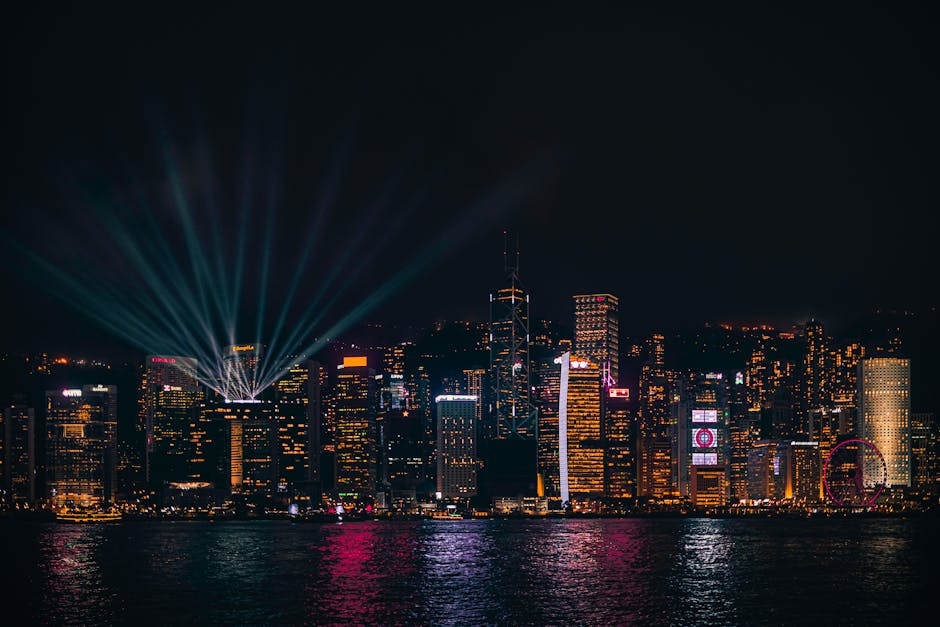
Extreme sports didn’t just spread they exploded. Over the past decade, countries across Asia, South America, and the Middle East have become new epicenters for adrenaline fueled culture. In Seoul, São Paulo, and Dubai, scenes once considered niche are now central to youth identity. Government backed skateparks sit alongside temples and mosques. Surf communities stretch along remote coastlines. BMX riders drop into bowls just blocks from ancient marketplaces.
Urban sports centers are popping up fast places that blend indoor training zones, media spaces, and youth mentorship. These hubs aren’t just for play they’re talent pipelines. International competitions are getting booked in unexpected places, with local athletes no longer just participating they’re winning. The Olympics opened the door, and global creators are kicking it wider.
Still, each region is shaping the sport their own way. In the Middle East, park designs are adjusting to cultural norms. In Latin America, communities blend street art with skating. In Asia, traditional discipline merges with board flipping rebellion. It’s not a copy paste job. It’s skateparks meeting tradition and carving something new.
What’s Coming Next
As extreme sports continue evolving, the next decade promises even more radical change. From cutting edge gear to immersive digital competition formats, the future looks fast, connected, and boundary pushing.
Breakthroughs in Technology and Gear
Performance gear and safety tech are rapidly advancing, giving athletes new opportunities to innovate and stay safe doing it.
Lighter, stronger materials are making boards, bikes, and protective equipment more responsive and durable
Wearable sensors and biometric trackers help athletes train smarter and reduce injury risk
Sustainable design is gaining attention, driving eco conscious manufacturing
Virtual Formats and Digital Integration
Extreme sports are embracing the digital realm. The rise of virtual competitions blurs the line between real and virtual world performance.
Virtual skateparks and BMX arenas are gaining traction in the gaming and esports space
Immersive VR and AR experiences allow fans to interact with the sport in new ways
Simulated training tools help newcomers build confidence and learn safely before heading out to real environments
Predictions: What to Expect in the Next 10 Years
The global extreme sports scene is expected to grow even more inclusive, accessible, and tech integrated.
Increased diversity and inclusion across disciplines, with more opportunities for women and athletes from underrepresented regions
Hybrid events, combining physical and digital competition formats for broader audience appeal
Youth focused programs and school collaborations to develop grassroots talent and promote safety
Extreme sports aren’t just growing vertically they’re expanding in every direction. The passion, innovation, and authenticity fueling the movement are setting it up for a future as thrilling as its past.
Explore more predictions and deep dives on the future of extreme sports
Not Just Thrills Cultural Impact
Extreme sports have never been just about tricks or airtime. They’ve shaped the sound of underground mixtapes, showed up in fashion week lineups, and changed how a generation talks, dresses, and thinks. From punk meets hip hop streetwear to playlists packed with DIY garage bands and electronic grit, the influence goes far beyond the halfpipe.
Over time, these sports morphed into full blown lifestyle brands. Look at companies like Supreme, Thrasher, and even Red Bull what started as niche labels or drinks now carry serious weight in culture. If you’re part of the scene, you’re not just watching you’re living it. The clothes, the music, the attitude it’s all bundled together.
But perhaps the most powerful element? Community. Vloggers, small local crews, and global icons alike are creating spaces that extend beyond pure competition. Whether it’s online forums trading skate footage or real world collectives launching zines and pop up events, community is the glue. It’s less about being the best and more about being part of something real. And that’s why extreme sports culture isn’t fading it’s expanding.
High Risk, High Responsibility
Extreme sports have always carried a level of danger it’s part of the thrill and allure. But as these disciplines grow in popularity and participation, so does the need for responsibility without stripping away their raw edge. Striking the right balance between risk and regulation is now more important than ever.
Respecting Risk Without Killing the Spirit
Regulations are evolving to improve safety, but the heart of extreme sports still lies in pushing personal and physical limits. Rather than imposing rigid structures, governing bodies and communities are exploring ways to protect athletes with:
Smarter event guidelines that enhance safety while preserving freedom
Equipment standards that reduce injury without limiting performance
Local and national policies that support responsible participation
Building Mental Toughness and Prioritizing Wellness
Extreme athletes are under immense physical and psychological pressure. Mental strength has become as vital as technical skill. As a result, there’s renewed focus on:
Psychological training and preparation as part of athlete routines
Open conversations about burnout, pressure, and mental health
Support systems offered by teams, sponsors, and governing organizations
The Role of Education and Mentorship
To grow safely and sustainably, knowledge has to flow from experienced athletes to newcomers. Mentorship and informal education are taking center stage as vital cultural pillars within the extreme sports world:
Veteran athletes offering workshops, clinics, and online tutorials
Schools and community programs introducing foundational techniques
Peer to peer learning and co creation shaping safer, smarter participation
Extreme sports will always stand for individualism and bold self expression. But with more clarity around athlete support and safety, the movement is evolving into one that’s not only fearless but also forward thinking.
Why This Movement Isn’t Slowing Down
Constant Evolution Keeps It Fresh
Extreme sports don’t stand still. What started as niche hobbies have turned into global movements precisely because they evolve with the times. New tricks, disciplines, and subcultures keep reshaping the landscape, ensuring the scene never gets stale.
New sports emerging (e.g., wingboarding, freerunning hybrids)
Competitive formats adjusting to engage broader audiences
Crossovers with fashion, gaming, and music industries
A Deep Connection to Personal Expression
At its core, extreme sports are about freedom the ability to move, act, and create without rigid limitations. That emotional connection empowers athletes to turn their sport into a form of self expression, making it more than just physical performance.
Style and creativity matter as much as technical skill
Individuals craft unique identities through gear, media, and movement
It’s less about rules, more about defining your own path
Inspiring the Next Generation
Young creators everywhere are finding in extreme sports a powerful way to push boundaries socially, physically, and culturally. Platforms like YouTube, TikTok, and Instagram have made it easier than ever to share their journeys and build their tribes.
Youth led communities fueling innovation
Media access lowering the barriers to entry
Extreme sports offering more than thrill an outlet, a purpose, a statement
Explore more on the future of extreme sports
The energy behind extreme sports isn’t waning. If anything, it’s accelerating driven by global passion, creative expression, and a new wave of fearless leaders.