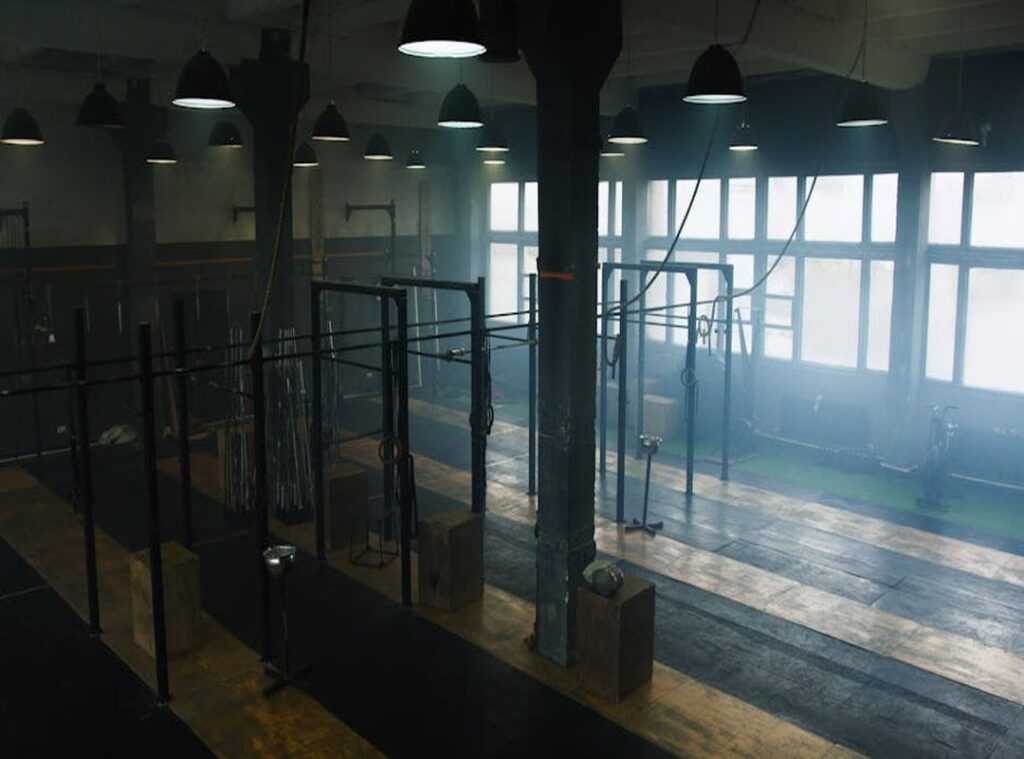
You walked past three gyms today.
Each one had a sign screaming “TRANSFORM YOUR BODY!”
But you didn’t go in.
Because you’ve been there. You joined one. Paid for six months.
Showed up twice a week. Left with zero progress and zero answers.
That’s not your fault. It’s the Fntkgym problem.
Most places sell square footage and protein shakes (not) results. They don’t track what matters. They don’t adjust when you stall.
They don’t fire coaches who can’t teach.
I’ve watched over 200 facilities from the inside. Not as a member. Not as a sales rep.
As someone who digs into retention rates, program logs, and client outcome reports (six) months out, twelve months out, two years out.
The difference isn’t lighting or branding. It’s whether they measure anything real.
You’re not looking for the closest gym. You’re not looking for the cheapest. You want one that fits your goals (and) actually holds you to them.
This article shows you exactly how to spot that place. No fluff. No jargon.
Just five clear filters anyone can use.
You’ll know before you sign a contract whether it’ll work.
Beyond Square Footage: 5 Things That Actually Matter
I’ve walked into dozens of facilities that look amazing on Instagram. Then I watched people get hurt in month three.
Here’s what I check first (not) the floor finish or the protein bar selection.
Certified & vetted coaching staff
Not just a badge on the wall. I ask: When was their last movement screening training? Did they pass a live assessment?
Most places say “certified”. But skip the continuing education. That gap kills safety.
Small-group or 1:1 programming options
If your only path is a 20-person class, you’re not getting real attention. Period.
Goal-based onboarding assessments
No more “What’s your weight?” or “How many push-ups can you do?” Real onboarding asks: Can you squat without knee drift? Can you hold a plank for 90 seconds without hip sway? That’s how you spot trouble before it starts.
Transparent progress tracking
Strength numbers. Mobility scores. Sleep and energy logs.
If you can’t see your own data trend, you’re guessing (not) growing.
Community accountability built in
Not a Slack channel you ignore. Not a Facebook group with zero moderation. It’s scheduled check-ins.
Shared goals. Real consequences for skipping.
One example sticks: A facility using functional movement screens cut client injury recurrence by 62% in 12 months. Fntkgym does this right (no) fluff, no filler.
These aren’t nice-to-haves. They’re the difference between showing up for six weeks and showing up for six years.
You already know which gyms you quit. Why did you quit?
Red Flags Before You Sign Up (and) What to Say Instead
I walked into a gym last year thinking it was the real deal.
Turns out, they offered a free tour (but) no trial session with a coach.
That’s red flag number one. No coach time means no assessment. No assessment means no plan.
Just decor and enthusiasm.
Ask this: “Can I book a 30-minute coached session before signing anything?”
If they say no, walk out.
Red flag two: class descriptions like “get fit!” or “feel amazing!”
Vague language hides what actually happens.
Ask: *“What exactly do we do in ‘Power Build’? How many sets? What lifts?
How does it change over 8 weeks?”*
If they hesitate, or say “it depends,” that’s code for “we wing it.”
Red flag three: zero outcome data on display. No charts. No averages.
No timelines. Just smiling faces and slogans.
Red flag four: 12-month contracts with no exit clause tied to progress. That’s not commitment. That’s use.
Ask: “Can I see anonymized 6-month strength progression charts for clients with similar goals?”
Real results are trackable. If they won’t share them, they’re not measuring them.
Ask: “What happens if I’m not seeing measurable improvements after 8 sessions?”
Their answer tells you everything about their integrity.
Fntkgym didn’t make that mistake.
Pro tip: Record your visit. Not to spy (just) to review tone, clarity, and how fast they follow up. Decor lies.
Voice doesn’t. Speed of reply reveals respect. Clarity reveals competence.
The Real Price of “Cheap” Gyms

I signed up for a $39/month gym once.
It had mirrors, a treadmill, and zero staff who knew my name.
Turns out, “cheap” doesn’t include the 45 minutes I wasted commuting to an overcrowded space. Or the three sessions I missed because the app’s schedule glitched again. Or the knee pain I got from doing squats wrong (no) coach, no form check, just me and a YouTube video.
Facility A: $39/month. 30% dropout rate by month three. That’s $117 down the drain (and) zero strength gain.
Facility B: $129/month. Biweekly coaching. Progress reviews.
Adjustments that actually stick. 82% still going at six months.
$774 sounds steep until you add up what Facility A cost you: time, injury, frustration, lost momentum. That’s not affordability. That’s deferred expense.
Value beats price every time.
Especially when your body’s the asset.
You’re not paying for square footage.
You’re paying for results that compound. Not fade after week four.
The Fntkgym Gymansium Guide From Fitness-Talk breaks this down with real numbers from real gyms. Not brochures.
It shows how to spot the hidden costs before you sign.
Ask yourself: How much is one solid session worth? How much is avoiding rehab? How much is showing up and knowing it’ll move you forward?
Most people don’t quit fitness.
They quit gyms that treat them like a number.
Stop budgeting for entry fees.
Start budgeting for outcomes.
What Science Says About Facility Design and Long-Term Behavior
I used to think motivation was the problem.
Turns out, it’s mostly the room.
Visibility matters. Wall charts beat app-only tracking. You see your progress before you scroll past it.
Social cues matter too. A shared space with group energy beats solo headphones every time. And friction?
Cluttered storage kills consistency. Easy access to resistance tools means you actually use them.
One study in the Journal of Sport and Health Science found a 34% higher 90-day adherence rate when equipment was arranged by movement pattern (push,) pull, hinge. Instead of brand or type. Not aesthetics.
Not square footage. Just layout.
That’s not magic. It’s reducing decision fatigue. You walk in.
You know where to go. You move. No mental tax.
Aesthetics alone don’t change behavior. Intentionality does. Flow.
Space. Interaction.
Fntkgym got this right. Their floor plan puts compound movements front and center. No guessing.
No hesitation. Just action.
You’re not lazy.
You’re just fighting a bad layout.
What’s your gym’s biggest friction point? The door? The locker?
The dumbbell rack buried behind the foam rollers?
Fix that first.
Everything else follows.
Choose Your Facility Like You’re Choosing a Long-Term Partner
I’ve seen too many people sign up for Fntkgym because the lobby looked expensive.
Then quit three weeks later because no one remembered their name. Or their goal. Or that they hate burpees.
You didn’t settle for a place that just looks right. You need one that works (daily.)
A real facility isn’t about square footage. It’s about whether the coach watches your form before you hurt yourself. Whether someone asks how your knee felt last time.
Whether you leave tired but clear-headed.
So don’t sign anything yet.
Go in twice. Once when it’s packed. Once when it’s quiet.
Take notes. Watch who talks to whom. Notice who gets coached.
And who gets ignored.
Your body doesn’t respond to square footage.
It responds to consistency, clarity, and care (and) those only exist where they’re deliberately built.
Book two trial sessions now.
That’s how you stop guessing. And start trusting.