Camp Nou Where Legends Took Flight
Since 1957, Camp Nou has been FC Barcelona’s fortress a slab of concrete and passion that’s witnessed some of football’s most iconic moments. It’s more than a stadium; it’s a shrine to skill, style, and relentless rivalry. When El Clásico rolls in, the place turns electric, humming with history and tension. Titles have been won here, careers defined, and legacies built most notably by Lionel Messi, who seemed to treat the pitch like his personal canvas.
One of Camp Nou’s most unforgettable nights didn’t even involve Barça. The 1999 Champions League Final Manchester United vs Bayern Munich delivered pure chaos in injury time. A comeback for the ages lifted United to a treble and left fans breathless across the world.
This stadium isn’t just filled with seats; it’s packed with echoes. Every roar, whistle, and chant carries a piece of a story. Some of football’s fiercest rivalries have left their scars on these stands, and they still linger.
Explore intense football rivalries
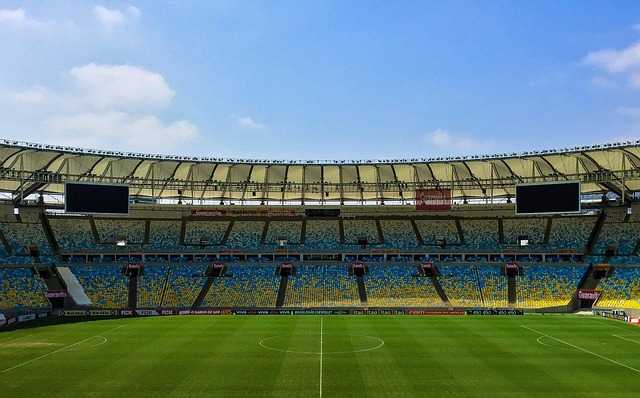
Maracanã The Cathedral of Brazilian Football
Few stadiums carry the emotional weight of Maracanã. Built for the 1950 World Cup, it once crammed nearly 200,000 fans into its stands a modern coliseum swollen with hope and heartbreak. And heartbreak came fast. Brazil’s shocking loss to Uruguay in the final, still known as “The Maracanazo,” left scars across a football obsessed nation. It wasn’t just a defeat it was a national trauma, and the story still echoes through generations.
But Maracanã isn’t just about loss. It’s a monument to the game’s highs and lows. It hosted the 2014 World Cup Final and the 2016 Olympic Games. Stars rose there. Titles were won. The stadium was renovated, reimagined, and reborn, but it never lost its spirit.
Even in its quieter moments, the place hums with history. From samba rhythms to last minute screamers, Maracanã doesn’t just host matches it captures the soul of Brazilian football.
Wembley Stadium The Home of English Football
A Legacy That Spans Generations
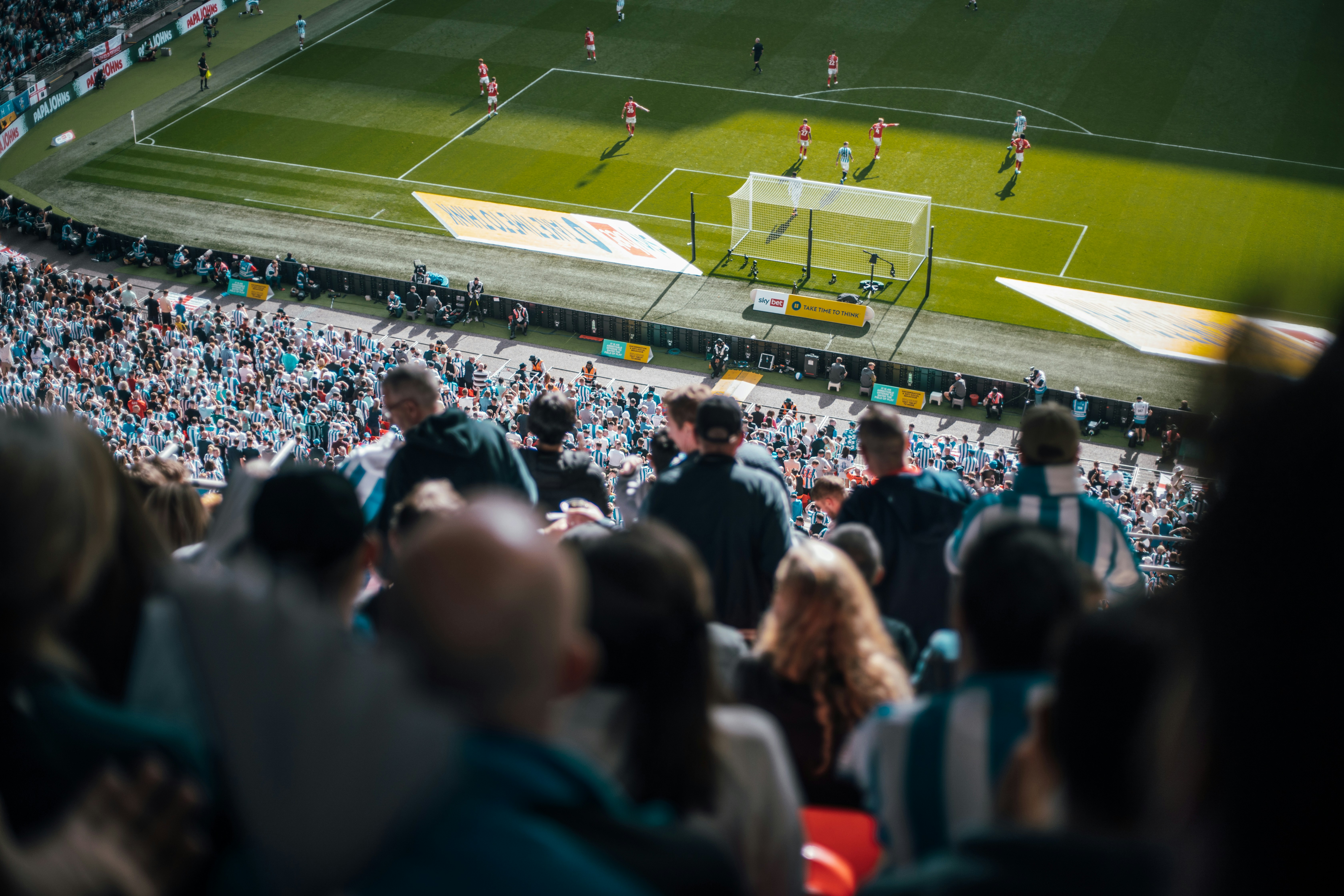
First opened in 1923, the original Wembley Stadium quickly became a cornerstone of English football culture. Known affectionately as the “Twin Towers,” it stood as a national symbol before being rebuilt and reopened in 2007 as the modern icon we know today.
Historic Matches That Shaped Football
Wembley has played host to some of the sport’s most unforgettable moments:
1966 World Cup Final: England’s one and only World Cup triumph, famously sealed by Geoff Hurst’s hat trick against West Germany.
Euro 2020 Final: A dramatic match between England and Italy, concluding in penalty heartbreak for the hosts.
Countless FA Cup Finals: Wembley is the traditional home of the English domestic cup’s grand finale.
Olympic Games and UEFA Champions League Finals: The stadium has also been the global stage for multi sport and European championship events.
More Than Just a Venue
Wembley isn’t only remembered for the matches played there it’s a place of emotion, tradition, and national identity. For English fans, walking into Wembley is like stepping into football’s sacred ground. The stadium continues to represent hope, pride, and the dramatic highs and lows that come with the beautiful game.
Wembley is more than concrete and grass it’s a living archive of football history, with every match adding to its legacy.
San Siro The Heartbeat of Milan
Few stadiums carry the emotional weight of San Siro. Shared by AC Milan and Inter, this concrete fortress has hosted some of Europe’s fiercest football rivalries. On derby night, the city splits in two red and black versus blue and black and the stadium rumbles under the intensity. It’s more than a ground; it’s a battleground where Serie A titles have been shaped and lost.
San Siro is also no stranger to continental drama. Champions League nights under the lights here still crackle with energy louder, rougher, prouder than anywhere else. From Kaká’s fluid brilliance to Mourinho’s tactical masterclasses, the venue has carved out a place in football folklore.
But time is catching up. Plans are in motion for a new stadium, and San Siro will be retired. That looming deadline adds urgency. Every match now becomes a historic footnote. Every cheer echoes a little louder. San Siro isn’t just part of Milan it is Milan. And its final chapters are being written in real time.
Estadio Azteca Drama at Altitude
Few stadiums carry the weight of football history like Mexico City’s Estadio Azteca. Sitting over 7,000 feet above sea level, the altitude alone makes for a unique playing field one that has hosted not just one, but two World Cup Finals. In 1970, it was the backdrop for Pelé’s final World Cup triumph, the climax of a golden era for Brazilian football. Sixteen years later, it became the stage for Diego Maradona’s most infamous and brilliant moments: the “Hand of God” and the “Goal of the Century,” both coming in the same legendary quarterfinal against England.
But the Azteca isn’t just about history it remains very much alive. It’s where Club América battles it out in Liga MX. It’s where Mexico’s national team still draws massive crowds, hoping to summon the energy of past glories. Whether it’s World Cup qualifiers or local derbies, the stadium continues to deliver drama, noise, and narrative. Estadio Azteca isn’t just a venue it’s football theater at its most intense.
Reliving the Rivalries
Step into any of these stadiums on match day and you’ll feel it the weight of history, the heat of a rivalry that goes deeper than sport. These are not just buildings with seats and turf. They’re charged with decades of passion, heartbreak, triumph, and identity. Clashes like Boca vs. River, Barça vs. Madrid, Milan vs. Inter their echoes are baked into the concrete.
The rivalries born in these coliseums aren’t just about winning. They’ve evolved into cultural flashpoints, where politics, regions, and generations collide. Fans don’t just support a team they live it. Flags, chants, even the walk to the stadium feels like a ritual with meaning passed down through bloodlines.
And while the players on the pitch change, the emotion doesn’t. What happens between the lines matters, but what happens in the crowd tells you everything about why football still holds the world’s attention.
Relive intense football rivalries across generations