Breaking Records, Rewriting History
The Paralympics aren’t just about medals. They’re about moments that shift what we believe is possible. And over the years, a few athletes have delivered performances so dominant, so precise, they’ve made the world stop and pay attention.
Tatyana McFadden is one of them. Born with spina bifida and having spent her early years in a Russian orphanage, McFadden didn’t just overcome obstacles she redefined the standard. Four time Paralympian, winner of 20 Paralympic medals, and the first person able bodied or disabled to win the Chicago, Boston, London, and New York marathons in a single year. Watch her race, and what stands out isn’t just power it’s intentionality. Every push counts. Every second matters.
Then there’s Daniel Dias, Brazil’s answer to Michael Phelps. With 27 Paralympic medals to his name, Dias turned the swimming pool into a stage where limitations were shattered. He wasn’t just dominant in one event he ruled across styles and distances. Freestyle, breaststroke, backstroke didn’t matter. If there was a race, he was in it, usually leading it.
These athletes did more than break records. They stretched the limits of human performance, forcing sports scientists and coaches to rethink what elite looks like. They also pushed visibility across borders, showing young athletes disabled or not that greatness doesn’t always look the same.
Whether it’s a photo finish in wheelchair sprinting or a new world record in the pool, these moments remind us: the Paralympics aren’t just about competing. They’re about rewriting what it means to win.
From Visibility to Legacy
Paralympic athletes have changed more than scoreboards they’ve changed minds. For decades, public perception of disability hovered somewhere between misunderstanding and pity. But when a sprinter with a prosthetic leg blurs past the finish line in world record time, those old ideas don’t hold up. These standout performances haven’t just impressed they’ve reset the way people understand ability itself.
The Paralympics have played a huge role in lifting adaptive sports onto the global stage. What started as a niche event for a limited crowd is now broadcast, analyzed, and celebrated with the weight it deserves. This exposure hasn’t just helped redefine athletic excellence it’s opened doors. More schools are investing in inclusive P.E. programs. More employers are recognizing grit and resilience as qualifications, not just buzzwords. And younger athletes with disabilities see new paths forward, because someone made it visible.
The ripple effect goes beyond medals. Representation leads to education, awareness, and policies that shift entire cultures. Governments are renewing support. Brands are stepping up. Families are rethinking what’s possible for their kids. The performance may end at the finish line but the impact keeps going.
Triumph Against the Odds
Not every champion starts with a level playing field. Some Paralympians had to forge their own path through layers of resistance discrimination, political upheaval, and personal tragedy. Their medals don’t just represent victory in sport; they’re symbols of survival, resourcefulness, and grit.
Take Zahra Nemati, who went from being a taekwondo black belt to a paraplegic after a car accident, and then reinvented herself as a world class archer. Representing Iran, she became the first woman from her country to win gold at either the Olympic or Paralympic Games. Her journey says more than any podium moment ever could: barriers are real, but so is perseverance.
Then there’s Ade Adepitan, a British basketball player born in Nigeria, who contracted polio as an infant. Navigating both racial and ableist systems, he rose to become not just a Paralympian, but a prominent voice in sports media. Each act whether it’s entering a game or anchoring a broadcast carries weight.
These stories matter not just for what they achieved, but for what they’ve made possible. They cracked open doors for future generations to walk or wheel through. Their legacy lives in more than stats. It echoes in every athlete who decided to try, even when the world said “don’t bother.”
Women at the Forefront
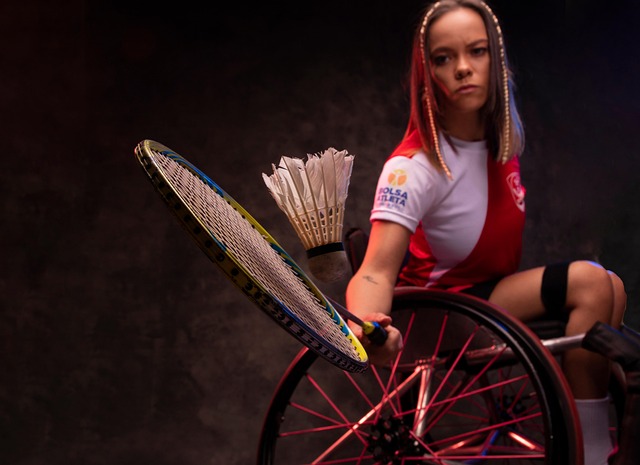
Female Paralympians aren’t just winning medals they’re redrawing the blueprint of elite sports. Athletes like Sarah Storey, Omara Durand, and Bebe Vio don’t just compete they dominate, with performances that snap world records and silence anyone still questioning the intensity of Paralympic sport. Their runs, swims, and strikes aren’t just technical wins; they’re seismic signals that the game has changed.
What we’re seeing is more than just strong performances. It’s legacy in motion. These women are flipping the script on what athletic greatness looks like. Their success rides the wave of the broader rise of women’s sports but the Paralympics give them something rare: a stage where resilience, skill, and difference co exist without apology.
The numbers tell part of the story. But the real revolution is qualitative more investment, more coverage, and more young girls watching someone like them win, fight, and finish proud. The Paralympic platform is helping do what age old sports systems didn’t: treat female athletes with disabilities like the serious contenders they are.
For more context on this momentum, check out The growth of women’s sports.
Transforming Youth and Future Generations
Paralympic greatness doesn’t end on the podium. For young athletes with disabilities, those record breaking moments build something even more powerful permission to believe. Seeing someone who looks like them win gold or smash boundaries isn’t just inspiring it’s actionable. It tells them, “There’s a place for you here.”
And that space is growing. Adaptive sports are no longer a fringe effort; they’re backed by smarter systems. More schools and local programs now include para athletics. More brands are offering adaptive gear. And digital visibility from social clips to full length sports features makes these achievements accessible in real time.
That accessibility isn’t just about watching it’s about entering the pipeline. Training resources are more available, whether it’s through specialized coaching, technology, or inclusive facilities. Funding models are shifting too. Scholarships, national grants, and sponsorships are helping level the playing field. Even career pathways in sports media, coaching, and athletic development are opening up to those who start as para athletes.
Bottom line: The next generation isn’t wondering if it’s possible they’re already lacing up. Paralympic success is no longer a rare exception. It’s becoming a roadmap.
Ongoing Momentum
The legacy of Paralympic success doesn’t end when the Games do. Athletes, organizations, and nations are working behind the scenes to keep the spirit of achievement alive year round. This ongoing momentum is setting the stage for a more inclusive and impactful future for adaptive sports.
National Programs Fueling Growth
Governments and sporting bodies are recognizing the wide ranging benefits of investing in adaptive sports. National programs are now placing greater emphasis on training infrastructures and athlete development for people with disabilities.
New national training centers dedicated to Paralympic disciplines
Tailored coaching certifications and athlete pipelines
Increased funding for grassroots adaptive sports initiatives
Game Changing Sponsorships and Collaborations
Adaptive sports are attracting mainstream attention and major sponsorship dollars. Corporations and global organizations are stepping up to support athletes and competitions alike.
Strategic partnerships between national Paralympic committees and top brands
Long term sponsorships empowering athletes with adaptive gear and funding
Collaborations with broadcasters to ensure wide visibility and consistent coverage
The Role of Women’s Sports in Driving Inclusion
As the global spotlight on women’s sports intensifies, it’s bringing necessary attention to women in the Paralympic movement as well. A continued focus on inclusivity within both arenas is helping to dismantle long standing barriers.
Highlighting female role models in adaptive sports
Encouraging young girls with disabilities to pursue athletics
Supporting gender equity at all levels of competition and policy
For more on the movement reshaping the future, see: The growth of women’s sports
By sustaining and amplifying these efforts, the Paralympic community continues to redefine global athletic culture well beyond the finish line.